Are How Do Planar Magnetic Headphones Work The Most Effective Thing That Ever Was?
How Do Planar Magnetic Headphones Work? As compared to dynamic drivers, magnetic headphones with planar design have less distortion. This is because the whole diaphragm moves rather than just the portion that is attached to the voice coil. They also have a wider soundstage, which is better separated and differentiation capabilities. They do leak more and require isolation to prevent the sound from affecting those nearby. The diaphragm The diaphragm plays a crucial function in nearly all sound transducers (headphones and loudspeakers as well as microphones) that are used to move air in order to produce sound. In headphones, it's a flat piece of diaphragm that is suspended between two magnets that create an electromagnetic field when stimulated by audio signals. In planar headphones the electric current that comes from the source of the headphone reaches the diaphragm through the coil, which generates magnetic force, which causes it to vibrate. The diaphragm suspension consists of neodymium, titanium or other artificial materials. The diaphragm can then resonate with your ear using different frequencies. Planar magnetic headphones are able to deliver high SPLs, without sounding distorted. In addition to being able to reproduce high SPLs and high SPLs, planar magnetic headphones also offer a superior soundstage. The reason for this is that the diaphragm's flat shape creates a planar sound wavefront, instead of the spherical focused wavefronts that are found in the majority of dynamic drivers. The headphones create a more natural soundstage, which is easier to localize. 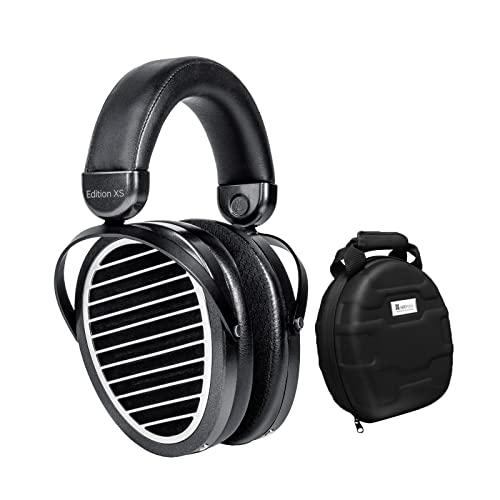 Transient response is a further benefit of planar magnet headphones. This is the ability to recreate peaks that last only a few seconds in audio signals, like cymbal crashes and kick drum hits. The diaphragm's size and the fact that it moves evenly across its surface mean that there's no distortion in these peaks. Planar magnetic headphones have some disadvantages that you should consider when selecting a set. For one, they tend to be more expensive than their dynamic counterparts. The main reason for this is the complexity of the drivers as well as the image of the brand. There are many affordable planar magnet headphones that cost less than $100. In addition to their exceptional performance, these headphones are available in closed-back and open-back styles and you can pick the one that fits your listening habits best. The HIFIMAN Arya Stealth Magnets Edition and Audeze LCD-2 Classics are some of the top options on the market. The voice coil Planar magnetic headphones are renowned for their precision and accuracy providing incredible clarity and detail across the entire frequency range. This is due to their flat, thin diaphragm which is sandwiched between two arrays of magnets. When an electrical signal is transmitted by your audio source the material that conducts it's windings inside the voice coil interact with the magnetic field and cause the diaphragm to move, producing sound waves. The planar-type driver benefits from the fact that each vibration occurs at the same frequency and is consistent regardless of where the diaphragm lies within the magnetic field. This results in an even and consistent sound with less distortion. It is also easier for the ear. Dynamic drivers on the other hand tend to create sound waves that are less uniform and more circular. Planar magnetic drivers because of their working method require a more powerful amplification system. They also tend to be heavier and bulkier since they must accommodate the larger, more flexible diaphragm. They require an external amplifier or DAC in order to drive them. In addition, planar magnetic driver s are more expensive than their dynamic counterparts since they're typically made from high-quality materials. In recent years, however, some HiFi audio headphone makers have revived this old technology. As a result, we're experiencing a variety of stunning new headphones that feature planar magnetic drivers that provide an incredible listening experience. As with everything else in life, the decision between planar magnetic and dynamic headphones comes down to the individual's preferences and budget. Planar magnetic headphones have a somewhat larger soundstage than dynamic ones and are known for their outstanding clarity and precision. Dynamic headphones are more expensive but they offer a more powerful bass and a warmer sound quality. In general dynamic driver headphones offer a little more slam and punch than planar magnetic models however, the differences aren't always noticeable to most listeners. They are also better at capturing structure and distinction. Nevertheless, there are plenty of exceptions to this, and some excellent magnetic headphones are available at a reasonable price. Magnets In a headphone equipped with a dynamic driver, electrical signals from your source of audio travel through a coil of conductive material that interacts with magnetic fields inside the driver. These are used to bend the diaphragm's flatness and generate sound waves. Planar magnetic headphones utilize an extremely thin layer of conductor material that is sandwiched between powerful magnets. This makes them more complicated to make and is one reason why they're often more expensive than their dynamic counterparts. They are also heavier and larger due to their design which requires more space around the drivers. They also require more power to achieve their full potential than their dynamic counterparts. While this isn't always a issue, it's something to keep in mind when considering these headphones. Although this isn't the case for all headphones, many of the top headphones with a planar design will provide an open and airy sound than their more dynamic counterparts. They also provide a sense of space that can be very appealing to certain listeners. They also provide a wider soundstage, which can be helpful when listening to music with other people. Many of the top boutique brands in headphone like HiFiMAN and Audeze employ the open-back design. Although they're not as well-known as closed-back models, they're an excellent opportunity to experience the benefits of planar magnetic technology. For instance the HiFiMAN Sundara offers a great introduction to the speed, precision and detail of these headphones at a reasonable cost. The housing If you're an audiophile, or just someone who enjoys good music, it's likely you've heard of planar magnetic headphones. They have a distinctive look, with a flat diaphragm embedded in the headphone. They are available in both open-back and over-ear models. In addition to their unique design, these headphones also use different working principles in comparison to dynamic drivers. Contrary to the traditional driver, which uses a voice coil to produce sound waves Planar magnetic headphones employ magnets that move the diaphragm back and forth in order to create sound. Depending on the configuration, these arrays may be located on one or both sides of the diaphragm. The magnets are activated by an electrical signal that travels through the voice coil and causes it to vibrate. The vibrations generate magnetic fields that interact with magnets on either side of the diaphragm. The interactions cause the diaphragms to pull and push against the magnetic fields. The audio signal is represented in sound waves. Due to this, the sound of headphones with planar magnetic design is typically more fuller and have better bass extension capabilities. The diaphragm is large and flat. reacts much quicker to changes in the input signal, so they can respond faster to bass response and are less prone to distortion. This results in a more precise and more controlled sound that many audiophiles appreciate. These headphones can reproduce higher frequencies but lack the slam and punch modern dynamic driver headphones can provide. This means that they may be a bit more difficult to listen to for people who wish to use them to listen to hard rock or metal music. Due to their distinctive design they are more expensive than other types of headphone. They also require a specific amplifier and digital audio converter to power the drivers. Some people may feel that the cost of these headphones is higher, but they believe that it's worth it. There are many other types of headphones for those who don't wish to spend too much.